Pullman Phu Quoc Beach Resort - Luxury hotel - Phu Quoc Herring Salad (Goi Ca Trich): What It Is & How to Eat It?

Pullman Phu Quoc Beach Resort
Languages

 en
en


en
- English
- 日本語
- 한국어
- Tiếng Việt
- 简体中文
- See this hotel on all.accor.com or brand website in other languages :
Phu Quoc Herring Salad (Goi Ca Trich): What It Is & How to Eat It?
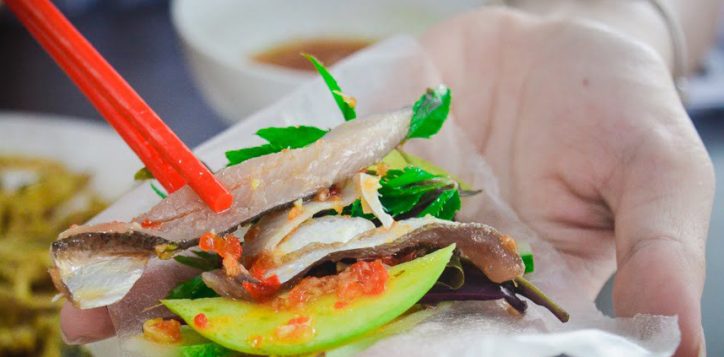
A plate of fresh herring arrives at the table. The fish is thinly sliced, lightly cured, and arranged alongside grated coconut, fresh herbs, rice paper, and a small bowl of amber dipping sauce. This is Phu Quoc herring salad, known locally as Goi Ca Trich, and the spread on the table is just the start. Unlike most dishes on the island, you build every bite yourself.
Goi Ca Trich is considered the defining taste of Phu Quoc. It is rooted in the island’s fishing culture, shaped by its fish sauce tradition, and served everywhere from night market stalls to seafood restaurants on the water.
This guide covers what makes it distinct, what goes into it, how to eat it the way locals do, and where on the island to find the best version.
What Is Phu Quoc Herring Salad?
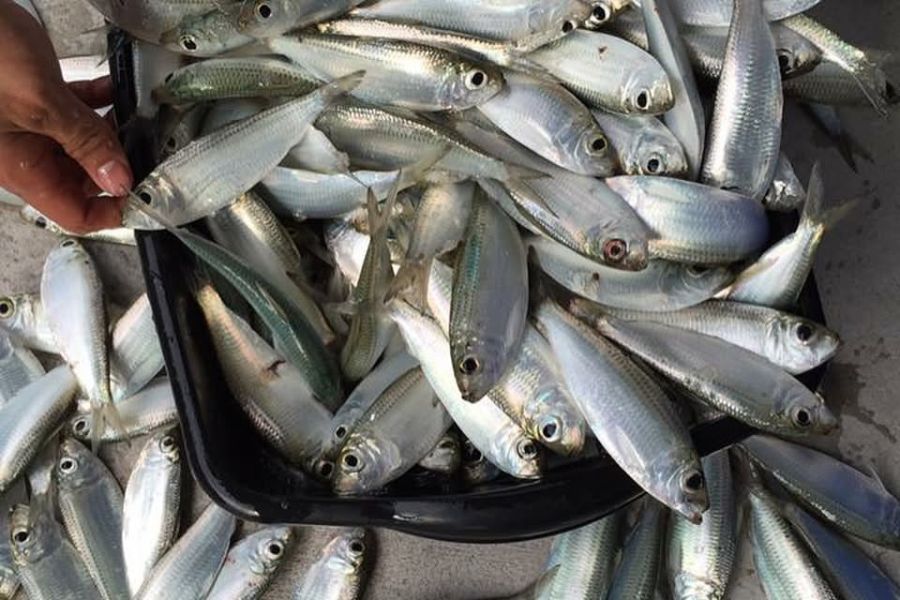
Phu Quoc herring salad (Goi Ca Trich) is a raw herring salad made from fresh fish caught in the Gulf of Thailand waters surrounding the island. “Goi” means salad in Vietnamese and “ca trich” means herring, but the translation understates what this dish actually is.
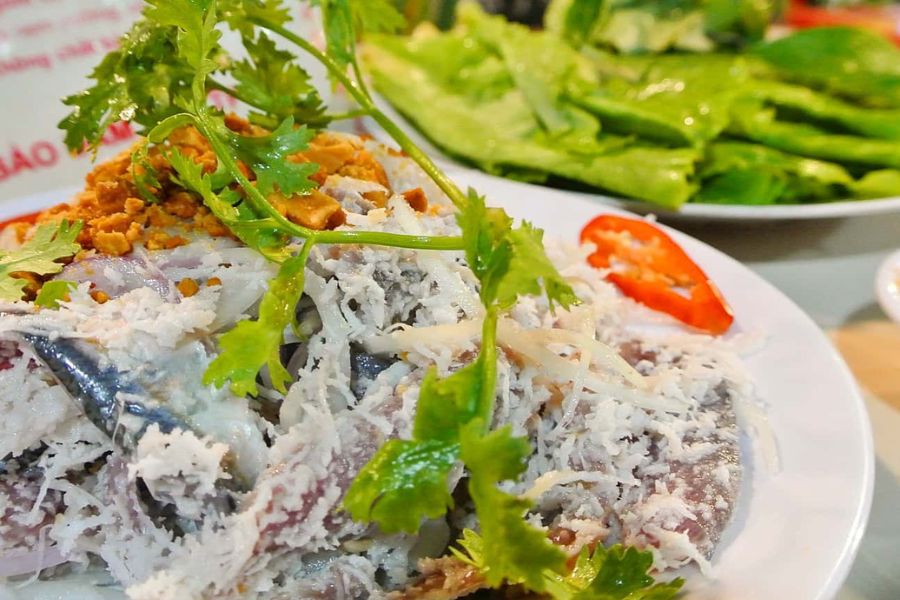
Vietnam has a family of regional raw fish preparations. The Phu Quoc version stands apart from the others in two specific ways: the herring comes from the island’s own Gulf fishery, and the dipping sauce is built on nước mắm Phú Quốc (Phu Quoc fish sauce), a product with designation of origin status and a deeper, slightly sweeter flavour profile than fish sauces produced on the mainland.
The dish began as a fisherman’s staple, a practical way to eat the freshest catch before it could spoil. As Phu Quoc developed into a travel destination over the past two decades, herring salad moved from fishing village tables onto restaurant menus island-wide and became the single dish most visitors are told they cannot leave without trying.
Explore Phu Quoc’s broader food culture across the island, from coastal markets to dedicated dining strips, but know that herring salad is where most culinary conversations here begin.
What Goes Into Phu Quoc Herring Salad?
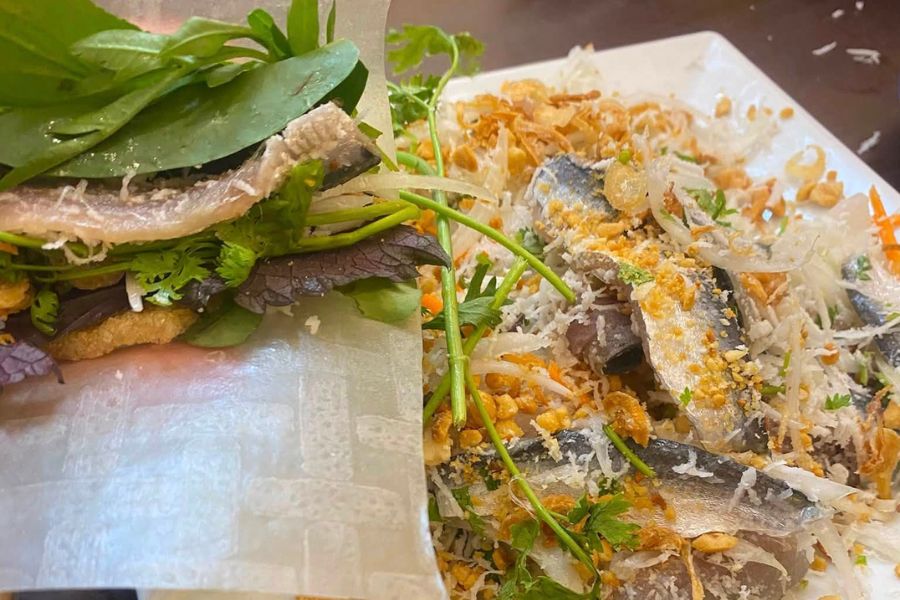
The dish arrives as an assembly rather than a finished plate: prepared herring, mix-ins, wrapping components, and a dipping sauce on the side. Each element is specific, and together they create a layered balance of textures and flavours that no single ingredient achieves on its own.
- The herring Fresh herring fillets are cleaned, thinly sliced, and briefly cured in lime juice. The acid firms the flesh and removes any fishiness, in a process similar to ceviche. The result is tender, clean-tasting fish with a mild oceanic quality.
- The mix-ins The sliced herring is combined with grated fresh coconut (for sweetness and crunch), thinly sliced white onion and shallot, sliced fresh chilli, and fresh herbs including mint and cilantro.
- The dipping sauce Phu Quoc fish sauce forms the base, sharpened with lime juice, balanced with sugar, and deepened with crushed roasted peanuts and minced garlic. This sauce is what gives the dish its backbone.
- The wrappers Bánh tráng (thin rice paper), fresh lettuce leaves, cucumber, and mint come with the plate for assembly. Some restaurants also include star fruit or thin slices of green banana for an added tartness in the roll.
Rice paper is the delivery mechanism: all components go inside, the whole thing gets rolled and dipped.
Guests staying on Long Beach can experience the same quality of coastal ingredients at Sea Stars, Pullman Phu Quoc Beach Resort’s beachfront seafood dining venue.
How to Eat Herring Salad the Phu Quoc Way?
The eating ritual is what separates Phu Quoc herring salad from almost any other dish on the island. Nothing arrives pre-assembled. Getting the technique right makes the difference between a good bite and a great one.
- Wet the rice paper. Dip a sheet of bánh tráng briefly in warm water until it softens but still holds its shape. Lay it flat on your plate.
- Layer the filling. Place a lettuce leaf in the centre, then add two or three herring fillets, a pinch of grated coconut, a few herb leaves, and any available garnishes — a slice of star fruit adds tart contrast if provided.
- Roll tightly. Fold the sides in, then roll from the bottom up. Keep it firm enough to hold together when dipped.
- Dip and eat. Lower the roll into the dipping sauce and eat in one or two bites. Rice paper softens quickly, so don’t hold the roll long after dipping.
Two things make the experience noticeably better: squeeze a little extra lime directly onto the herring before building your first roll, and ask for more dipping sauce freely as most venues refill without question.
What Does Phu Quoc Herring Salad Taste Like?
Phu Quoc herring salad does not taste the way first-timers expect raw fish to taste. The lime cure removes any fishiness, leaving the flesh clean, mildly oceanic, and slightly firm. In character, it sits closer to a well-made ceviche than to the pickled or smoked herring a European visitor might picture when they hear the name.
Grated coconut adds quiet sweetness and a light crunch. Fresh herbs keep the dish from feeling heavy. The dipping sauce is the most assertive element: salty from the fish sauce base, sour from lime, warm from chilli, and nutty from roasted peanuts. The heat builds gradually rather than arriving all at once.
The overall impression is refreshing rather than rich. Each roll is light enough that one plate rarely feels sufficient. Most first-timers find themselves ordering a second.
When and Where to Try Herring Salad in Phu Quoc?
Phu Quoc herring salad is on menus across the island year-round, but the best quality arrives during the dry season (November to April), when Gulf of Thailand catches are most consistent and the fish reaches restaurants the same morning it was caught.
Venue type shapes the experience considerably. Dinh Cau Night Market in Duong Dong town is the most accessible introduction: informal, lively, and well-priced for casual ordering at the stalls. Beachside seafood restaurants along the central and southern coast serve more considered versions, where the herring is sliced to order and the dipping sauce has more complexity.
For drinks, cold local beer pairs naturally with the sour-salty flavour profile. Phu Quoc sim wine, made from the island’s native rose myrtle berry, is one of the most characterful local pairings and an efficient way to taste two Phu Quoc specialties in the same meal.
Guests staying on Long Beach have direct access to the full range of dining experiences across Phu Quoc, from market-stall eating to dedicated seafood restaurants, with fresh seafood at Sea Stars on the resort’s own waterfront close at hand for evenings when the beach is too good to leave.

Frequently Asked Questions
Is raw herring safe to eat in Phu Quoc?
The lime juice used to prepare Phu Quoc herring salad partially denatures the fish protein, firming the texture and reducing the raw taste, but it does not cook the fish with heat. For the safest experience, choose busy, reputable restaurants where fresh herring is sourced locally and served the same day. Pregnant women, people with weakened immune systems, and anyone who avoids raw seafood should exercise the same caution they would with sushi or ceviche.
What should I drink with Phu Quoc herring salad?
A cold local beer is the classic pairing, with Tiger, 333, and Saigon widely available across the island. For a more regional option, try a glass of Phu Quoc sim wine, made from the island’s native rose myrtle berries. Its gentle sweetness and slight tartness complement the salad’s tangy dipping sauce without overpowering the delicate flavour of the herring.
How is Phu Quoc herring salad different from other Vietnamese fish salads?
Three features distinguish the Phu Quoc version. First, it uses Gulf of Thailand herring (ca trich), a fish closely associated with the island’s long-standing fishing tradition. Second, the dipping sauce is made with Phu Quoc’s designation-of-origin fish sauce, known for its sweeter and more rounded flavour. Finally, the addition of fresh grated coconut is a signature southern island touch, creating a sweeter taste and a more textured bite than similar raw fish dishes found elsewhere in Vietnam.
Is Phu Quoc herring salad suitable for children?
Because the dish contains raw fish, the same precautions recommended for sushi or ceviche apply. For older children who enjoy seafood and are not in a high-risk dietary group, the mild flavour and interactive rice paper wrapping can make it an enjoyable meal. Parents should decide based on their child’s preferences and any advice from their healthcare provider.
Access
Pullman Phu Quoc Beach Resort ☆☆☆☆☆
Group 6, Ban Quy Hamlet, Duong Bao Area, Phu Quoc Special Zone , An Giang Province
Vietnam
Tel: +84 297 267 9999 or +84 91 665 0248
Email:
ha248@accor.com