Phu Quoc Pepper Farm: Complete Visitor Guide (2026)

Pullman Phu Quoc Beach Resort
Languages

 en
en


en
- English
- 日本語
- 한국어
- Tiếng Việt
- 简体中文
- See this hotel on all.accor.com or brand website in other languages :
Phu Quoc Pepper Farm: Complete Visitor Guide (2026)
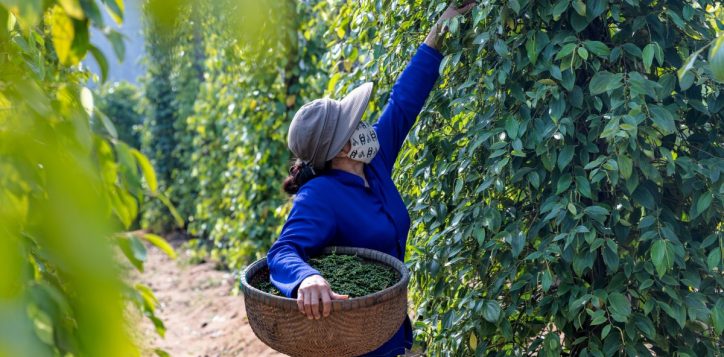
Walk through a Phu Quoc pepper garden in the dry season and the scent hits you before the vines do – sharp, earthy, and warm, with a heat that rises off the peppercorns drying in the sun.
Visiting a pepper farm is one of the most genuinely local experiences on the island. It costs almost nothing, takes a few hours, and leaves you with a much clearer sense of where this spice actually comes from – and why it tastes different from anything you’ll find on a supermarket shelf.
This guide covers what makes Phu Quoc pepper special, which farms are worth your time in 2026, when to go, and what to bring home.
Why Is Phu Quoc Pepper Different?
The short answer is soil, climate, and method. Phu Quoc’s central and northern highlands sit on mineral-rich quartz soil, a composition that creates conditions found in very few other pepper-growing regions in Asia.
Farmers handpick berries at each stage of ripeness rather than stripping the vine, and the peppercorns are sun-dried rather than machine-dried, which preserves the essential oils that give Phu Quoc pepper its distinctive punch.
Most farms on the island use organic or near-organic methods: no synthetic pesticides, no chemical fertilisers. This reflects a deliberate push toward certification under Vietnam’s geographic indication trademark system, which officially recognises Phu Quoc pepper as a protected regional product.
The Four Types of Phu Quoc Pepper
You’ll encounter four varieties at the farms, each harvested at a different point in the berry’s lifecycle.
- Black pepper is picked at full maturity and sun-dried until the outer skin wrinkles – bold, pungent, the most recognisable.
- Red pepper is the fully ripe berry before drying, carrying a faint fruitiness beneath the heat, and it’s the hardest variety to find in processed form.
- White pepper, known locally as tieu so (skull pepper), has its husk removed before drying, producing a milder, earthier spice used widely in Vietnamese white-sauce cooking.
- Green pepper is harvested early and typically preserved in sea salt brine, farms often serve it fresh on the vine, and it’s the most intensely grassy variety of the four.
Best Pepper Farms to Visit in Phu Quoc
Most farms cluster along the central-to-northern corridor – provincial road TL47 and the Suoi Ca–Ganh Dau route. All offer free entry for walking the grounds; guided activities carry a small additional fee.
Pepper Farm Phu Quoc (Phu Quoc Countryside) is the most internationally known and the most structured. Run by Jenny and her family since 2008, it offers a guided farm tour for roughly USD 4.50 per person, plus cooking classes and overnight bungalows. The English-speaking guide makes this the best choice for first-time visitors or families. Note that it closes every Wednesday.
View on Google Maps – Rated 4.8/5 (771 reviews).
Vườn Tiêu Hai Dương (Hai Duong Pepper Garden) sits in the Cua Can area to the north and consistently pulls the highest rating of any farm on the island. The setting is spacious and photogenic, and the farm is open every day from 8am to 4pm.
View on Google Maps – Rated 4.9/5 (309 reviews).
Vườn Tiêu Đức Thạnh (Duc Thanh Pepper Farm) is the most interactive option for visitors who want a real hands-on experience. The farm cultivates black, red, and white pepper using clean organic methods, and guests can observe the full cycle from seed selection through to harvest and drying. Products here include honey pepper, caramelised pepper, and seasoned salt blends. Cards accepted.
View on Google Maps – Rated 4.0/5 (1,034 reviews).
Vườn Tiêu Ngọc Hà (Ngoc Ha Pepper Farm) is a relaxed, low-key stop ideal for those who want to browse and buy without a guided programme. Open daily from 6am to 7pm, it sits along TL47 and is easy to reach by motorbike or Grab.
View on Google Maps – Rated 3.8/5 (375 reviews).
Vườn Tiêu Huỳnh Thy (Huynh Thy Pepper Farm) is a smaller organic farm known for letting visitors taste pepper at multiple stages of processing. Free entry, open daily 8am to 5pm, with credit card payments accepted.
View on Google Maps – Rated 3.9/5 (290 reviews).
Best Time to Visit a Phu Quoc Pepper Farm
The harvest season runs from November to February by the lunar calendar. This is when red pepper clusters hang heavy on the vines and farms are at their most active – you can join in the handpicking alongside local farmers, and the visual contrast of deep red berries against dark-green leaves makes for exceptional photos.
From February through July, the dry season shifts activity to post-harvest processing: sorting, drying, and packing. The farms are still worth visiting – you’ll see the full production workflow in action – but fewer berries remain on the vine.
Between August and October, the wet season quietens things down, though the vines are lush and most farms stay open with reduced hours.
That said, the farms welcome visitors year-round. You don’t need to time your trip around harvest to have a worthwhile experience. Plan for a morning visit to beat the midday heat.
What to Expect at a Phu Quoc Pepper Farm?
A typical visit runs one to two hours. You walk the rows of vines, hear about the growing process from the farmer or a guide, observe or participate in picking and drying, taste the different varieties, and finish at the farm shop.
For what to buy, stick to dried black, white, and red peppercorns for international travel – these pass through customs reliably and should be declared as agricultural goods. Fresh or unprocessed green and red berries may be confiscated at some borders.
Beyond whole peppercorn, look for pepper salt blends, honey pepper, and caramelised peppercorn: all are distinctive Phu Quoc products and travel well.
Wear comfortable shoes for uneven farm paths, light clothing, sunscreen, and insect repellent. Most farms are 10 to 20 minutes from Long Beach by motorbike, Grab, or taxi.
Book your transport directly rather than through a taxi driver who may steer you toward commission-paying alternatives. Your resort’s activity desk can also arrange transportation – ask about the shuttle service at Pullman Phu Quoc to plan your day efficiently.
Phu Quoc Pepper on Your Plate
Phu Quoc pepper isn’t just a souvenir: it’s a building block of Vietnamese coastal cooking. The most iconic local use is muoi tieu chanh – a blend of ground pepper, sea salt, and fresh lime juice served as a dipping condiment alongside crab, grilled prawns, and fresh fruit across the island.
Back at the resort, Phu Quoc pepper finds its way into grilled preparations and seasoning programmes at our beachfront restaurants – Mad Cow Wine & Grill uses it in signature grilled preparations, while Sea Stars pairs it with fresh-caught seafood in the classic local tradition.
Conclusion
A pepper farm visit takes a morning, costs next to nothing, and gives you one of the most distinctly Phu Quoc experiences the island offers – far more grounded in local life than a standard beach day or island tour.
Pullman Phu Quoc Beach Resort sits on Bãi Trường (Long Beach), minutes from the island’s main attractions and within easy reach of the central and northern farm corridor. Explore our current offers and book direct for the best rate on your Phu Quoc stay.
Frequently Asked Questions
Is it free to visit a pepper farm in Phu Quoc?
Entry to the grounds is free at all major farms. Activities like guided tours, pepper-picking sessions, or cooking classes carry a small fee-typically USD 4 to 10 per person. Confirm costs with your chosen farm before visiting, as pricing can vary.
What types of pepper can I buy at the farms?
Dried black, white, and red peppercorns are available at every farm. Processed products such as pepper salt blends, honey pepper, and caramelised peppercorns are also widely sold and make excellent souvenirs that travel well.
Can I bring Phu Quoc pepper home on a plane?
Dried black, white, and red peppercorns are generally permitted across international borders and should be declared as agricultural goods. Fresh or unprocessed green and red berries may be confiscated at some borders.
What makes Phu Quoc pepper different from regular black pepper?
The combination of quartz-rich highland soil, a coastal microclimate, and traditional hand-harvesting produces a peppercorn with a noticeably stronger aroma and heat than commercially grown alternatives.
Does the resort use Phu Quoc pepper in its restaurants?
Yes. Phu Quoc pepper features in the kitchens at Pullman Phu Quoc Beach Resort, particularly at Mad Cow Wine & Grill in grilled preparations and at Sea Stars in seafood dishes. This means what you taste at the farm in the morning may well appear on your plate that evening.
Access
Pullman Phu Quoc Beach Resort ☆☆☆☆☆
Group 6, Ban Quy Hamlet, Duong Bao Area, Phu Quoc Special Zone , An Giang Province
Vietnam
Tel: +84 297 267 9999 or +84 91 665 0248
Email:
ha248@accor.com