Pullman Phu Quoc Beach Resort - Luxury hotel - Phu Quoc Island Travel Guide: 10+ Things to Do & Best Time to Visit

Pullman Phu Quoc Beach Resort
Languages

 en
en


en
- English
- 日本語
- 한국어
- Tiếng Việt
- 简体中文
- See this hotel on all.accor.com or brand website in other languages :
Phu Quoc Island Travel Guide: 10+ Things to Do & Best Time to Visit
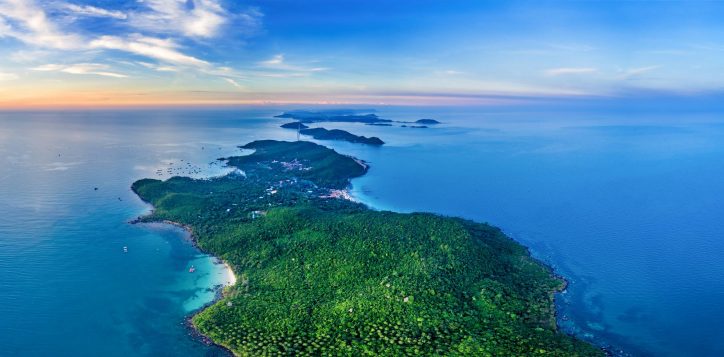
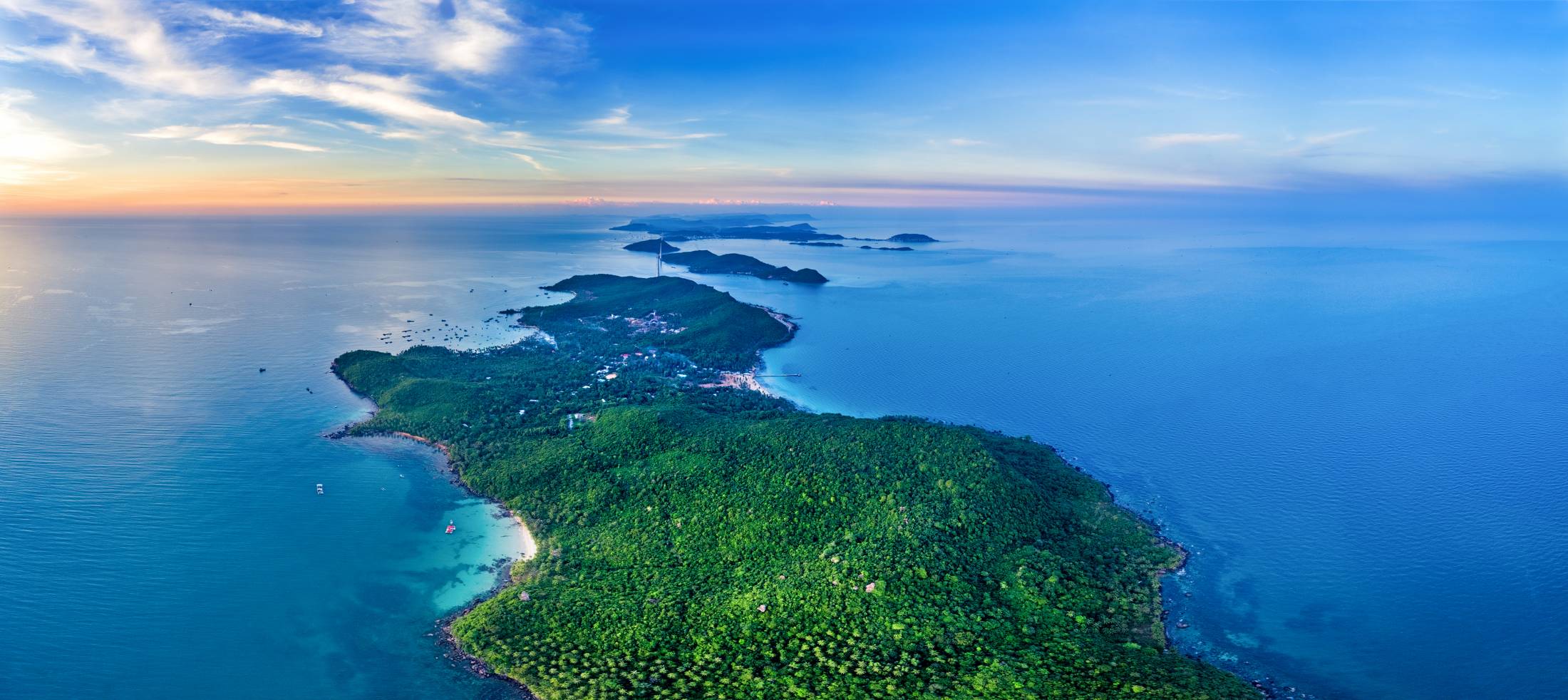
Phu Quoc earns its name “Pearl Island”. White-sand beaches stretch toward turquoise water. Jungle-covered hills rise inland. Each evening, the Gulf of Thailand turns the western horizon into a slow fire of amber and rose.
Phu Quoc is one of Southeast Asia’s most intact national parks, and sits within a UNESCO Biosphere Reserve zone. More than half the island is protected national park and marine reserve – old-growth forest, coral reefs, and waters rich with marine life.
This is not a single-note destination. Phu Quoc holds wild nature alongside working fishing villages, and a growing tier of world-class resorts alongside open-air night markets that smell of charcoal and fish sauce.
This guide gives you what you need to plan well: the best time to visit, experiences worth your time and on-the-ground advice from the vantage point of Pullman Phu Quoc Beach Resort – a 5-star beachfront address on Long Beach (Bai Truong) that puts the best of the island within reach.
Overview of Phu Quoc Island
Phu Quoc sits in the Gulf of Thailand, off the southwest coast of Vietnam’s Kien Giang province. It is the country’s largest island – roughly 574 square kilometers and holds the status of a special administrative zone, which has driven rapid infrastructure growth without erasing the fishing culture and agriculture that define local life.
Phu Quoc’s coastline stretches 150km, with over 60% of the island designated as national park and marine reserve, and waters clear enough for snorkeling at depths where coral gardens are still intact.
Phu Quoc is known for:
- Signature products: Fish sauce (nuoc mam) produced here carries a protected geographical indication – among the most prized in Vietnam. Kampot-style pepper farms cover the northern hills. Pearl farms operate offshore.
- Beaches and water sports: Long Beach on the west coast draws the bulk of visitors. Quieter stretches – Sao Beach, Vung Bau, Bai Thom – reward those who go looking.
- Layered travel: High-caliber resorts on the west coast. Local fishing villages on the north and east. Theme parks and safari in the north. Island-hopping routes through the An Thoi Archipelago in the south.
This guide serves couples, families, groups of friends, and digital nomads who want a stylish, well-connected base-with easy reach to nature, local life, and the best of the island’s growing culinary scene.
Best Time to Visit Phu Quoc Island
Phu Quoc runs on a tropical monsoonal climate. Temperatures hold steady around 27°C year-round, so season here is less about heat and more about rain, wind, and sea conditions:
- Dry season (November–April) delivers the clearest skies, calmest seas, and best conditions for snorkeling, diving, and island-hopping. These months draw peak visitor numbers and command higher rates.
- Rainy season (May–October) delivers afternoon squalls and rougher seas, particularly in the south and around the islands. But the landscape turns an intense green, tourist numbers drop, prices follow, and many experiences – hiking, visiting fishing villages, exploring local markets – remain fully accessible.
Phu Quoc Weather: Month-by-Month
| Months | Weather & Sea | Best For | Priorities |
| Nov–Jan | Clear skies, calm seas, low humidity | Beach, diving, island-hopping | Book early — peak demand, especially Dec |
| Feb–Apr | Dry, warm, slight increase in wind | Snorkeling, hiking, family travel | Best overall conditions, Mar–Apr warmest |
| May–Jul | Early rains, intermittent showers | Wellness, spa, culture, local markets | Good rates, snorkeling still possible in May–Jun |
| Aug–Oct | Peak monsoon, rough southern seas | Jungle hikes, northern beaches, fish sauce factory tours | Lowest rates; check boat tour availability |
Getting to Phu Quoc & Getting Around
How to Get to Phu Quoc
Phu Quoc International Airport handles dozens of daily domestic flights from Ho Chi Minh City (roughly 55 minutes), Hanoi (approximately 2 hours), and several regional hubs. Vietnam Airlines, VietJet, and Bamboo Airways cover the main routes. Direct international connections continue to grow.
Travelers combining Phu Quoc with a Mekong Delta itinerary can reach the island by sea. High-speed ferries depart from Ha Tien (roughly 1 hour) and Rach Gia (roughly 2.5 hours). Car ferries from both ports accommodate motorbikes-useful if you plan to explore independently.
Visa Note: Many nationalities qualify for up to 30 days visa-free when remaining on Phu Quoc Island. Regulations change-verify current requirements with the Vietnamese embassy or your airline before you travel.
Getting Around the Island
- Taxis and ride-hailing (Grab is active on the island) cover airport transfers and trips between main areas. Rates are reasonable; always confirm the price or meter before departing.
- Motorbike rental remains the most flexible way to reach remote beaches, northern viewpoints, and jungle trails. Expect to pay around 150,000–200,000 VND per day for a standard scooter. Wear a helmet; road conditions vary on unpaved northern tracks.
- Bicycle rental suits guests who prefer slower travel within Long Beach and nearby areas. VinBus electric bus routes connect key attractions and town areas at minimal cost – a practical option for families avoiding the complexity of motor rental.
From Pullman Phu Quoc: The resort sits approximately 10–15 minutes from the airport by car. The team arranges private airport transfers on request, and the resort’s tour desk handles bookings for boat trips, cable car excursions, island tours, and bike or motorbike support. For guests who want to move independently, the concierge provides practical guidance on routes, operators, and timing.

10+ Best Things to Do on Phu Quoc Island
Phu Quoc reveals itself differently depending on where you look. Pair a big-energy theme park day with a quiet morning on a northern beach, balance a diving trip with a sunset cocktail on the resort’s beachfront. The list below covers the full range:
1. Chase Sunsets on Long Beach
Long Beach (Bai Truong) runs the full length of Phu Quoc’s southwest coast – the island’s prime position for watching the sun drop into the Gulf of Thailand. The light changes fast here. By the time you notice the color shift, you have about 20 minutes before it’s done.
The ritual on Long Beach is well-practiced: an evening walk along the shore, then a shift to somewhere elevated. Mad Cow Wine & Grill at Pullman offers rooftop seating with a direct sightline to the horizon – pair the view with a cocktail and a wood-fired cut, and the evening takes shape on its own. The Lighthouse Bar, the resort’s social anchor open around the clock, keeps the energy going once the sky goes dark.
What to do:
- Walk the beach in the hour before sunset
- Secure a rooftop table at Mad Cow Wine & Grill early – it fills
- Follow sunset with dinner or live music at the Beach House beach club

2. Explore Phu Quoc’s Beaches
Long Beach is the most accessible, but it is not the only option. Phu Quoc holds distinct beach characters across its coastline, and the island’s expanded road network now makes most of them reachable by motorbike or organized tour.
Beach guide:
- Sao Beach (Bai Sao): Powdery white sand on the southeast coast; the most photographed beach on the island. Gets busy in peak season but remains one of the clearest-water stretches on Phu Quoc.
- Ong Lang: A low-key stretch north of Long Beach with fewer crowds and a mix of boutique guesthouses. Good for snorkeling off the rocky points.
- Vung Bau (Bai Vung Bau): One of the most underdeveloped beaches in the north – long, curved, and rarely busy.
- Ganh Dau: At the island’s northern tip, facing Cambodia. Sea conditions vary, but the cape views across the water reward the drive.
- Bai Thom: Remote northeastern shore. Rough road access; the trade-off is near-isolation. Best reached by motorbike.

3. Island-Hopping & the Hon Thom Cable Car
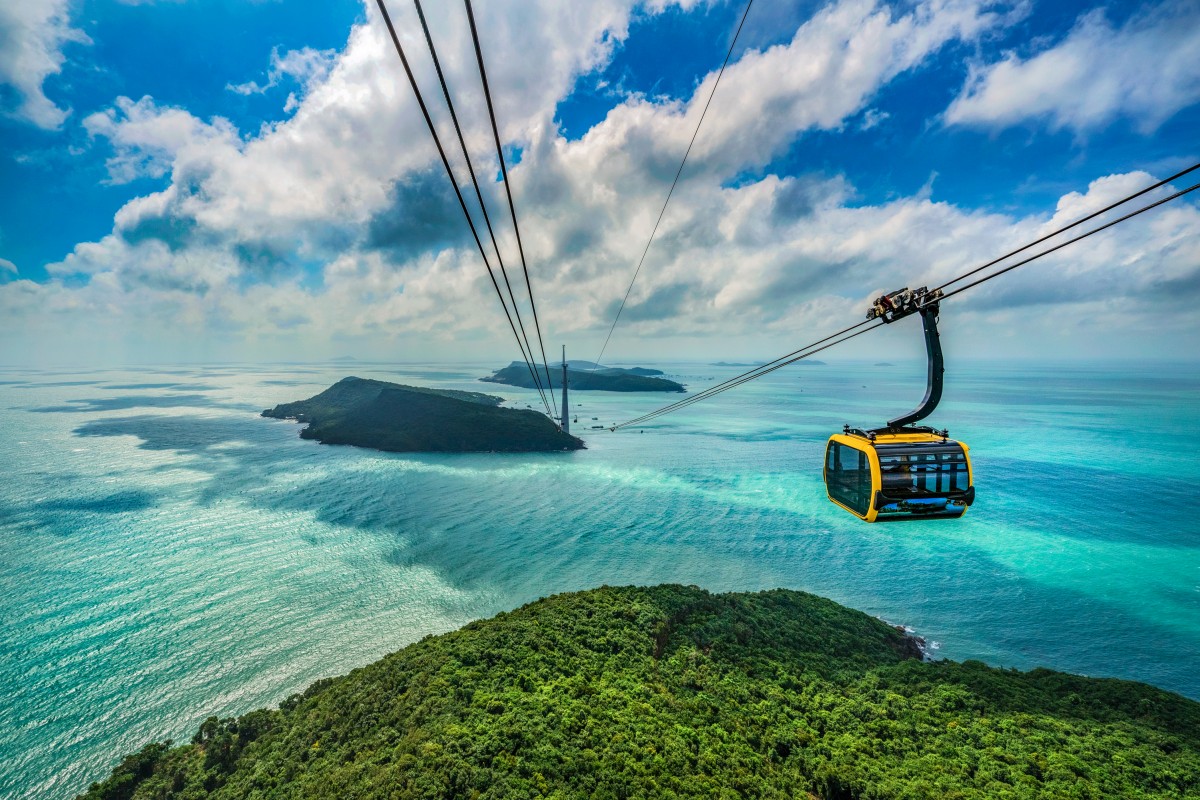
The cable car holds a Guinness World Record as the longest sea-crossing gondola system – a 7.9-kilometer run from An Thoi port to Hon Thom Island. The crossing takes roughly 15 minutes, rides low over open water, and lands at a beach and water park complex with multiple swimming zones.
For those focused on reefs rather than rides, standard island-hopping routes visit three to five islands – Mong Tay, Gam Ghi, May Rut, and others – with snorkeling stops, a seafood lunch on the water, and time for swimming. Full-day tours depart from An Thoi.
Practical notes:
- Best sea conditions: November through April
- Depart early – afternoon winds pick up and can roughen the crossing
4. VinWonders & Vinpearl Safari (Especially with Kids)
For families and travelers who want a full-day, high-energy experience, Phu Quoc’s northern development zone delivers at scale.
- VinWonders Phu Quoc: A large-format theme park with multiple zones – water rides, roller coasters, an aquarium, cultural performance spaces, and food courts. Designed to fill an entire day.
- Vinpearl Safari: Vietnam’s first semi-wild animal reserve, with approximately 3,000 animals across 150 species. A safari tram circles through open enclosures. The scale is real – this is not a zoo in the conventional sense.
Practical tip: Purchase tickets online in advance. Weekend crowds peak by mid-morning. The safari is most active in cooler early hours.
How to get there from Pullman: The northern complex is roughly 25–30 minutes by car from Long Beach. Pullman’s concierge arranges private transfers and can combine the visit with a stop at Ganh Dau cape or a northern beach for a balanced day.

5. Dive, Snorkel & Play Underwater
Phu Quoc’s marine reserve protects coral systems that remain largely intact – a rarity in Southeast Asia. Snorkeling and diving conditions vary by site and season, but the island offers accessible options for beginners and technical-level dives for those with certifications.
What’s underwater:
- Coral gardens around the southern islands (An Thoi Archipelago) support reef fish, sea turtles, and occasional rays
- Northern dive sites – around Mong Tay and Hon Doi Moi – offer different reef formations and stronger fish density
- Visibility peaks from November through April; drops in the rainy season but remains adequate at protected sites
Activity options:
- Half-day snorkeling tours suitable for families and non-swimmers (life vests provided)
- Full-day PADI-certified diving excursions with equipment hire and certified instructors
- Combined island-hopping and snorkeling trips that cover three to four sites in one day
6. Trek in Phu Quoc National Park & Visit Waterfalls
Phu Quoc National Park covers over 31,000 hectares of the island’s interior – primary jungle, ridge trails, freshwater streams, and an ecological system that still supports hornbills, langurs, and a range of endemic species.
Where to go:
- Suoi Tranh: The most accessible waterfall, roughly 10 kilometers from Duong Dong. A short trail through forest leads to a series of tiered pools. Manageable in sandals, but proper footwear performs better.
- Suoi Da Ban: Deeper in the park, with granite boulders and natural swimming pools. Less visited, the approach requires a motorbike and some navigation.
- Ridgeline trails: Several marked routes traverse the park’s interior. Guides are worth it – trails fork, signage is limited in places, and a local guide brings context that maps cannot.
Environmental etiquette: Stay on marked trails. Carry out all waste. Do not handle wildlife or pick plants. The park’s protected status is not decorative – it is what keeps the ecosystem intact.
7. Eat Your Way Around Phu Quoc
Phu Quoc has a food identity that is distinct from Vietnamese cuisine. The island’s cooking draws on its fishing heritage, its pepper and fish sauce production, and its proximity to Cambodia – producing dishes that do not appear elsewhere.
Must-try dishes:
- Bun ken: Rice vermicelli in a coconut-based fish curry broth, topped with fried fish skin. Unique to Phu Quoc.
- Bun quậy: Soft rice noodles served with shrimp, fish cakes, and a clear broth, eaten with pork skewers dipped tableside. Found mainly in local stalls around Duong Dong.
- Goi ca trich (herring salad): Raw herring cured in lime, served with green mango, roasted peanuts, sesame crackers, and fresh herbs. A signature starter at most seafood restaurants.
- Grilled seafood: Whole fish, tiger prawns, sea snails, and crab – ordered by weight, grilled over charcoal, served with Phu Quoc dipping sauce. Best sourced near the night market or at seaside shacks in Ham Ninh.
Where to eat at Pullman:
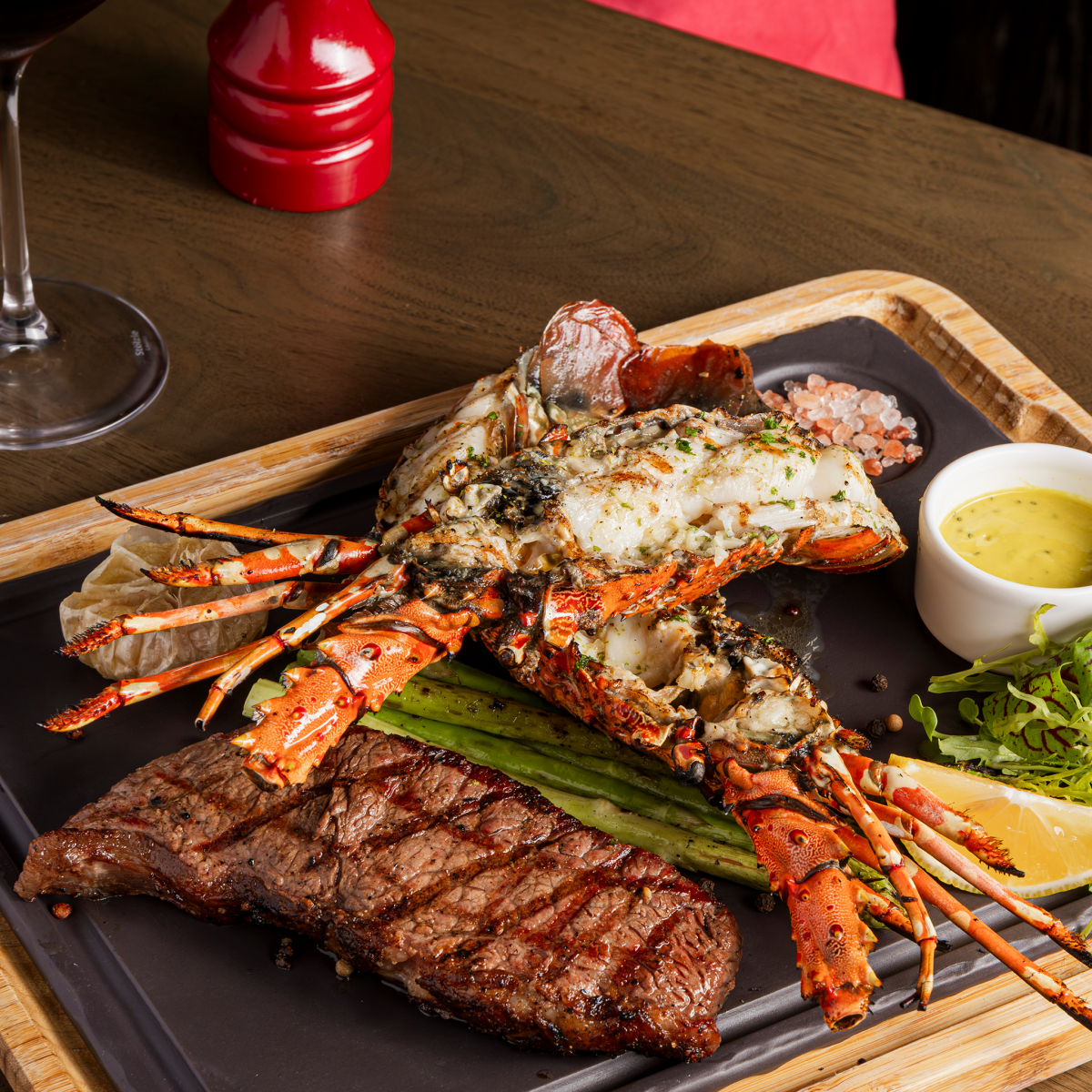
- Mad Cow Wine & Grill: Rooftop steakhouse and wine bar with sunset views. Premium cuts, wood-fired cooking, strong wine list.
- Salt ‘N’ Pepper: The resort’s main restaurant with Vietnamese and international options, open for all three meals.
- Sea Stars: Beachfront dining, fresh seafood, live music evenings.
- Beach House – The Beach Club: Casual pool and beach dining, cocktails, themed events.
- Coconutz: Poolside bar with light bites and cold drinks on demand.
- The Lighthouse Bar: The resort’s 24-hour social hub – the only round-the-clock bar on Long Beach.
8. Visit Historical & Spiritual Sites
Phu Quoc holds history that runs deeper than its resort era.
- Phu Quoc Prison (Cay Dua Prison): Located near An Thoi in the south, this site held thousands of prisoners of war during the Vietnam-American War and before that under French colonial administration. It is now a national historical monument with preserved cells, reconstructed conditions, and interpretive displays. Visiting is sobering – and informative about a chapter of Vietnamese history that the beaches do not tell.
- Cao Dai Temple: The Cao Dai religious tradition – a Vietnamese syncretic faith founded in the 1920s – has a temple in Duong Dong. Its architecture and interior iconography are visually striking. Services are held at fixed times daily; visitors may observe from the designated area.
- Nguyen Trung Truc Temple: Honors a 19th-century Vietnamese resistance leader. An active place of worship – approach with the same respect you’d give any functioning religious site. Remove shoes at the entrance, dress modestly, and observe quietly.

9. Experience Local Life: Fishing Villages & Night Markets
Phu Quoc’s tourism economy is recent. Its fishing economy is not. The villages on the north and east coasts have run on the same rhythms for generations, and they remain the clearest window into how this island actually lives.
- Ham Ninh: A working stilt village on the east coast. Wooden boats in the harbor, nets drying on the docks, and a row of simple seafood restaurants built over the water.
- Ganh Dau village: At the northern tip, where the pace slows further. Combine with the cape viewpoint for the full picture.
- Duong Dong night market: The island’s social center after dark. Grilled seafood, bun quậy (a Phu Quoc-specific rice noodle dish), local sweets, and craft stalls running from around 6 PM. Go hungry, move between stalls, and eat in the order things catch your eye.
Tips: Dress modestly in villages away from the beach strip. Go on weekday evenings to avoid the worst of the weekend tour groups.
10. Learn the Story Behind Fish Sauce, Pepper & Pearls
Three products define Phu Quoc’s identity beyond its beaches – and each one has a production story worth understanding firsthand.
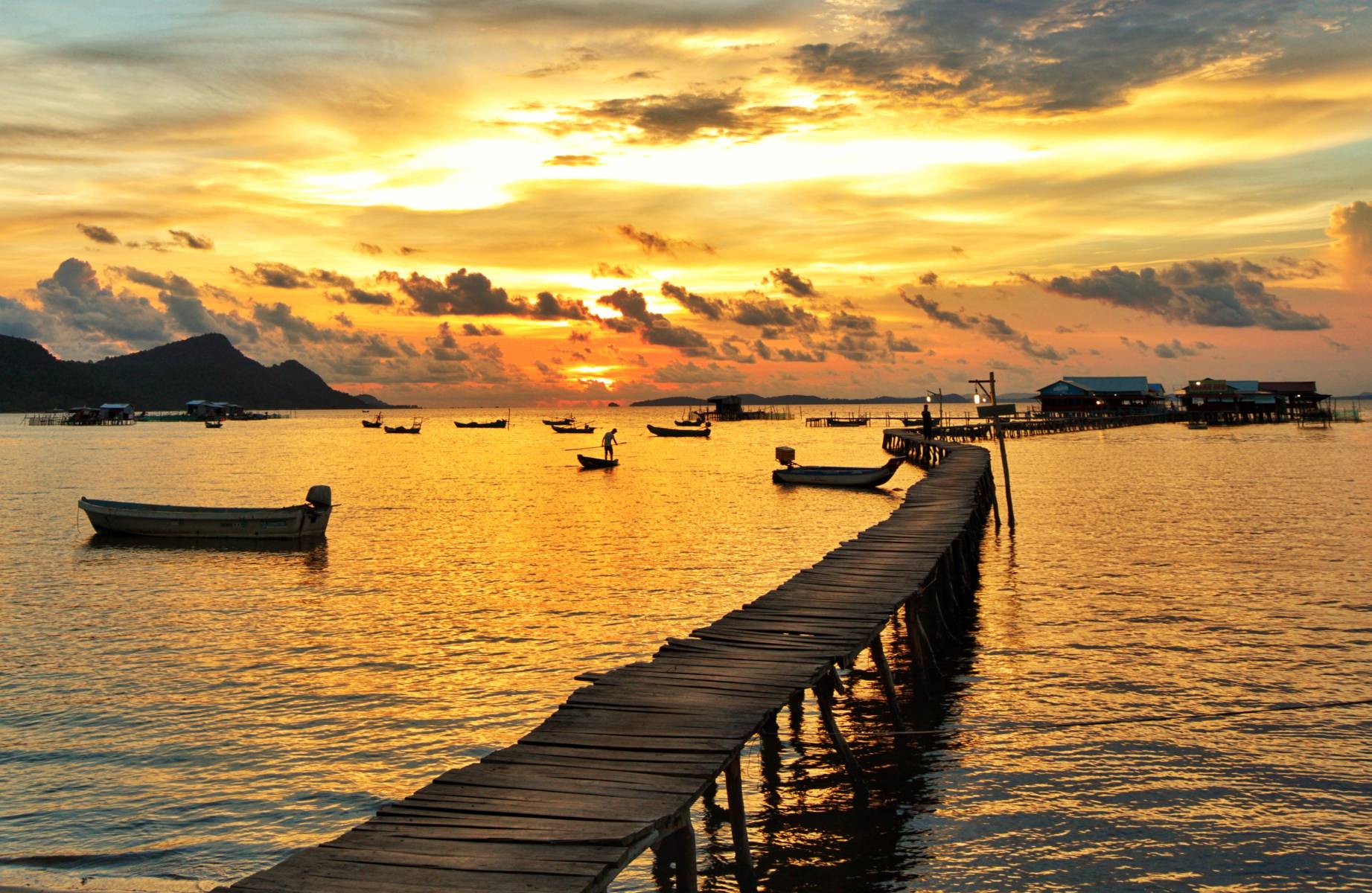
- Fish sauce (nuoc mam): Phu Quoc fish sauce carries EU-protected geographical indication status, meaning authentic Phu Quoc nuoc mam must be produced on the island using local anchovies fermented in traditional wooden vats.
- Pepper: Kampot-style pepper farms operate in the island’s north. Red, black, and white peppercorns grow on climbing vines under jungle canopy. Farm visits show the cultivation and drying process.
- Pearls: Several pearl farms operate offshore near the north coast. Tours explain culturing techniques and the grading system.
A half-day tour covering all three stops is a logical combination.
11. Wellness, Spa & Active Time at Pullman
An island itinerary accumulates. Full-day boat trips, midday heat, long drives on rough roads – the body needs calibration. Pullman’s Lifestyle program is built for exactly this.
On-site activities:
- Morning yoga and tai chi on the beach
- HIIT sessions, aqua aerobics, and group fitness classes at Pullman Fit
- Pickleball and tennis courts for those who compete
- Water sports along the resort’s private beach – kayaking, paddleboarding, and more
- Bicycle and motorbike rental support for exploring Long Beach independently
- Dedicated kids’ programming – supervised activities that give adults genuine free time
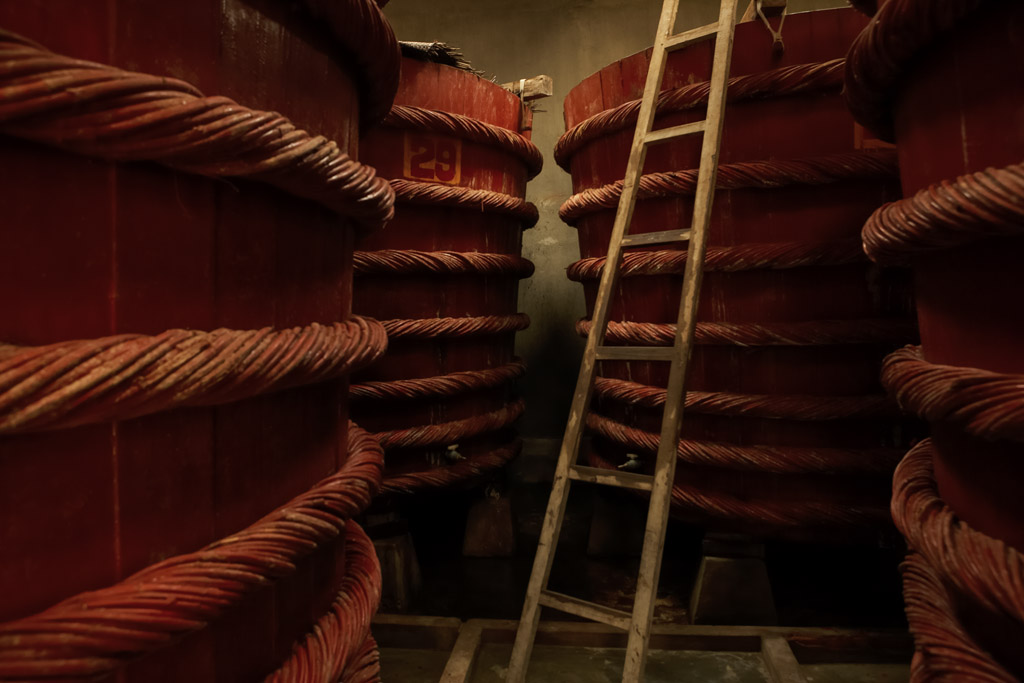
Pullman Spa: A full-service spa offering Vietnamese traditional treatments, deep-tissue work, body wraps, and facial protocols. Best booked a day in advance. Pairs particularly well with the afternoon after a morning snorkeling or hiking excursion.
Why Base Your Phu Quoc Adventure at Pullman Phu Quoc Beach Resort?
Long Beach is the island’s most strategically placed stretch of coast – 10 minutes from the airport, walkable to Duong Dong, and the natural departure point for day trips in either direction. Pullman Phu Quoc Beach Resort sits at its center.
The resort’s fish-shaped master plan – designed by Spanish architect Salvador Pérez Arroyo – gives it a layout that feels open and social rather than compartmentalized. The beach, pools, dining, and activity spaces flow into each other. There is no long march from room to restaurant or beach to bar.
- Rooms and villas: Superior rooms to a two-bedroom Beachfront Pool Villa with private infinity pool and built-in sauna. Every category includes a terrace or balcony and high-speed connectivity.
- Dining: Six outlets – rooftop steakhouse, beachfront seafood, 24-hour bar, pool bar, casual dining – so guests are never anchored to a single mood or format.
- Lifestyle programming: Fitness, spa, water sports, kids’ clubs, and courts mean the property holds up on full rest days, not just as a sleeping base.
For travelers planning honeymoons, family milestones, small corporate events, or beach weddings, Pullman’s dedicated planning team handles logistics from initial inquiry through day-of execution. The resort holds a serious events capacity – Grand Ballroom, The Boardroom, and several outdoor venues – that makes it a practical choice for groups, not just leisure travelers.
Explore current offers or contact the resort’s team for a personalized itinerary – whether the stay is a honeymoon, a family holiday, a corporate group, or a solo reset.
Access
Pullman Phu Quoc Beach Resort ☆☆☆☆☆
Group 6, Ban Quy Hamlet, Duong Bao Area, Phu Quoc Special Zone , An Giang Province
Vietnam
Tel: +84 297 267 9999 or +84 91 665 0248
Email:
ha248@accor.com