Phu Quoc National Park: Your Complete Visitor Guide (2026)

Pullman Phu Quoc Beach Resort
Languages

 en
en


en
- English
- 日本語
- 한국어
- Tiếng Việt
- 简体中文
- See this hotel on all.accor.com or brand website in other languages :
Phu Quoc National Park: Your Complete Visitor Guide (2026)
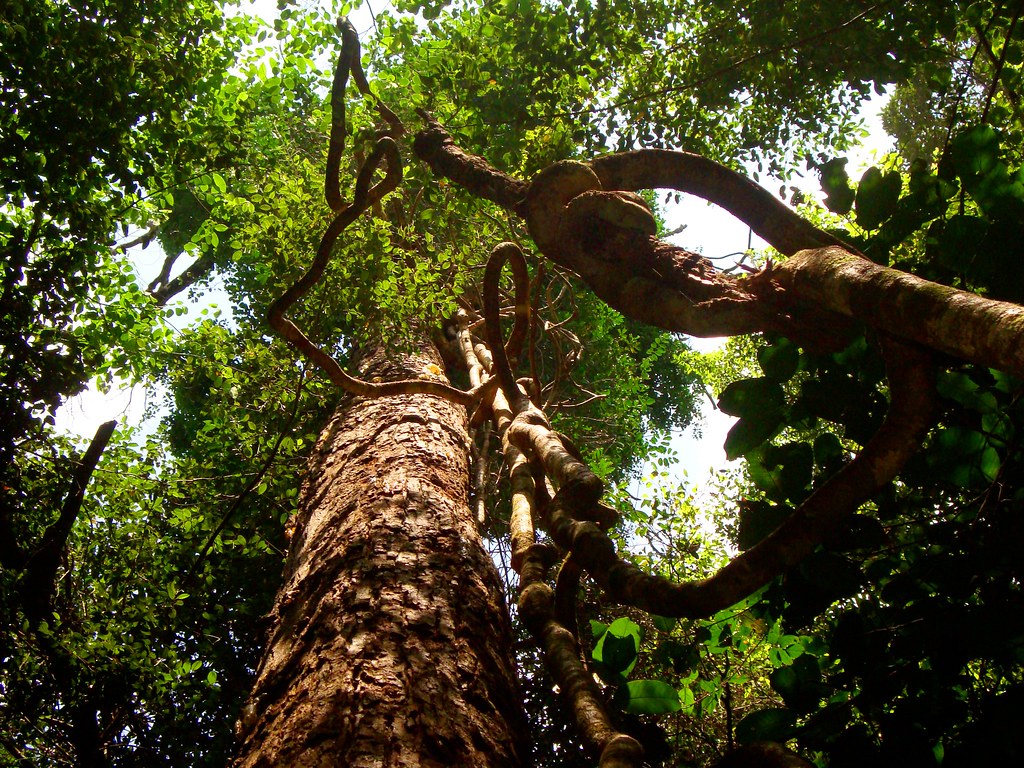
Most visitors arrive on Phu Quoc for the beaches. But roughly 70% of the island is something else entirely: dense, ancient rainforest protected as a UNESCO Man and the Biosphere Reserve. Vườn Quốc Gia Phú Quốc (Phu Quoc National Park) is one of Vietnam’s most ecologically significant protected areas, covering some 314 km² of land and sea.
This guide answers the questions that actually matter – which trails are worth your morning, what wildlife you’ll encounter, and how to get there from Pullman Phu Quoc Beach Resort on Long Beach.
Overview of Phu Quoc National Park
Phu Quoc National Park was established in 2001 and covers approximately 314 km², making it one of the largest national parks in southern Vietnam.
It sits in the northern part of the island, roughly 13 km northeast of Duong Dong town centre, and is divided into three management zones: strict conservation, ecological restoration, and an administrative-service and scientific research area.
Beyond the forest, the park’s jurisdiction extends into the surrounding sea, protecting coral reefs, seagrass beds, and the endangered dugong – the only remaining population of this species in Vietnamese waters.
In 2006, UNESCO recognised the park as part of a larger Biosphere Reserve, a status that reflects both its ecological importance and the island’s extraordinary biodiversity. Entry to the park perimeter and forest roads is free.
Is Phu Quoc National Park Open in 2026?
Yes – with an important clarification. Since 2015, independent access to the park’s strict core conservation zone has been restricted, and this is why Google Maps currently shows the park as “permanently closed.” That label refers to unguided entry into the protected core, not to the park as a whole.
As of 2026, the perimeter roads, forest trails, and guided trekking routes remain fully accessible. Visitors entering deeper trail zones are required to use a registered local or forest guide – a regulation that also makes practical sense, since trail signage is minimal and conditions vary by season.
Note: Access rules and trail availability are subject to change. Confirm current conditions with a licensed eco-tour operator or the park authority before your visit.
Best Trails in Phu Quoc National Park
The park has two well-established trekking corridors, plus a challenging summit route for those willing to commit a full morning.
Ganh Dau Trail (Easy – 5 km)
The Ganh Dau Trail is the most accessible route in the park and the best starting point for first-time visitors. The path runs for 5 km through old-growth forest canopy, wide enough to walk comfortably and shaded enough to keep the tropical heat manageable. The entrance is located approximately 5 km before Ganh Dau village – look for the opening in the tree line about 100 m past the 5 km road marker. The trail is not signposted, so a local guide is useful even here. You can also cover much of this corridor by motorbike, stopping to walk sections that interest you.
Ham Ninh Mountain Trek (Moderate – 6 km)
The Ham Ninh route climbs through denser forest to ridge-top views of the Gulf of Thailand, a reward that earns the extra effort. The trail spans 6 km and requires trekking footwear – the path narrows considerably beyond the lower section and becomes less defined. A registered guide is required for this route. Starting at sunrise gives you the best chance of wildlife sightings and cooler temperatures before the midday heat sets in.
Mount Chua Summit Trail (Challenging)
At 603 m, Mount Chua (Núi Chúa) is the island’s highest point. The summit trail is a full half-day commitment and requires a registered guide – this is non-negotiable and enforced. The views from the top are unobstructed on clear mornings: sea to the west, forest canopy in every other direction. Allow at least four hours for the return journey and start no later than 7 am.
Wildlife and Biodiversity: What You’ll Encounter
The forest shelters over 900 plant species, including 12 species endemic to Phu Quoc found nowhere else on Earth. Six of the park’s ancient trees are officially recognised as national heritage trees of Vietnam, among them the Kơ Nia and Hopea Pierrei.
On the fauna side, the park supports more than 40 mammal species – silvered langurs and macaques are frequently spotted near the Ganh Dau Trail in the early morning, while slow lorises and otters are present but rarely seen.
Over 100 bird species have been recorded, including hornbills, the Phu Quoc crested argus, and the red-billed blue magpie. Underwater, the marine corridor holds more than 100 species of hard coral and extensive seagrass meadows that support the park’s dugong population.
The best wildlife conditions are early morning during the dry season, when the forest is quietest and animals move closest to the trail edges.
Best Time to Visit Phu Quoc National Park
The dry season, running from November through April, is the recommended window for trekking. Trails are firm, streams run clear for swimming, and morning temperatures stay cool enough for comfortable exertion.
December through March is the peak of the dry season and the ideal time to combine a beach stay with a forest morning.
The wet season (May to October) brings dramatic forest colour and far fewer visitors, but trails become slippery and some routes close entirely after heavy rain. If you are planning a wet-season visit, hire a guide with specific knowledge of current trail conditions.
How to Get to Phu Quoc National Park from Pullman Phu Quoc?
Pullman Phu Quoc Beach Resort sits on Bãi Trường, the long western beach that runs through Duong Dong – a practical base for reaching the northern park area.
The most direct route is northeast through Duong Dong town, picking up the road toward Bai Thom commune. At the Duong Dong–Bai Thom junction, turn right and continue approximately 6 km to the park entrance area near Ganh Dau. The total distance from the resort is roughly 20–25 km and takes 30–40 minutes by motorbike. Motorbike rental is widely available and costs between 150,000 and 250,000 VND per day ($6–$10 USD).
If you prefer not to self-navigate, a taxi from Long Beach to the park area runs approximately 250,000–350,000 VND each way, and guided jeep tours depart from the island’s main tour operators with hotel pick-up.
There are no shops, restaurants, or water points once you enter the forest, so carry everything you need from the resort. Check the resort map and shuttle service options before you leave.
Essential Tips Before You Go
- Hire a registered guide for any trail beyond the Ganh Dau perimeter. This is a regulatory requirement for protected zones and strongly recommended everywhere else, given minimal trail signage.
- Pack the right gear. Sturdy trekking shoes with grip, high-SPF sunscreen, heavy-duty insect repellent, at least 1.5 litres of water per person, energy snacks, and a lightweight rain poncho if visiting between May and October.
- Start early. A 7–8 am departure avoids peak heat, maximises wildlife encounters, and gets you back on the beach by early afternoon.
- Practice Leave No Trace. Stay on designated trails, carry all waste out with you, and do not feed or approach wildlife – the langurs in particular are accustomed to humans and can be bold, but feeding them disrupts natural behaviour.
- Tell someone your plan. Before any deep-forest trek, let the resort know your intended route and expected return time.
Pullman Phu Quoc Is The Best Base for Phu Quoc National Park
A morning in the forest and an afternoon on Long Beach is one of the most satisfying ways to spend a day on this island. Pullman Phu Quoc Beach Resort puts you within 30–40 minutes of the park entrance, with a beachfront base to return to – pools, open-air dining at Sea Stars or Mad Cow Wine & Grill, and a full lifestyle programme to round out the day. Explore our rooms and suites and book direct for the best rate.
Frequently Asked Questions
Is Phu Quoc National Park permanently closed?
The “permanently closed” label on Google Maps refers to restricted independent access to the park’s strict core conservation zone, which has been in place since 2015. The forest roads, perimeter trails, and guided trekking areas remain open and accessible to visitors.
Do I need a guide to visit Phu Quoc National Park?
For casual motorbike rides along the forest roads toward Ganh Dau, a guide is not required. For any dedicated trekking trail, including the Ham Ninh route and the Mount Chua summit, a registered local or forest guide is mandatory under current regulations.
What is the best time of year to trek in Phu Quoc National Park?
The dry season from November to April is the recommended window. Trails are firm, streams run clear, and morning temperatures make trekking comfortable. December through March offers the most reliable conditions for combining a beach stay with forest exploration.
What animals can you see in Phu Quoc National Park?
The park is home to over 40 mammal species, with silvered langurs and macaques the most frequently spotted. More than 100 bird species have been recorded, including hornbills and the rare Phu Quoc crested argus. In the marine corridor, coral reefs and seagrass beds support the only wild dugong population in Vietnamese waters.
Access
Pullman Phu Quoc Beach Resort ☆☆☆☆☆
Group 6, Ban Quy Hamlet, Duong Bao Area, Phu Quoc Special Zone , An Giang Province
Vietnam
Tel: +84 297 267 9999 or +84 91 665 0248
Email:
ha248@accor.com