Pullman Phu Quoc Beach Resort - Luxury hotel - Rose Myrtle Phu Quoc: A Guide to Sim Gardens and Wine

Pullman Phu Quoc Beach Resort
Languages

 en


en
- English
- 日本語
- 한국어
- Tiếng Việt
- 简体中文
- See this hotel on all.accor.com or brand website in other languages :
Rose Myrtle Phu Quoc: A Guide to Sim Gardens and Wine
Head inland from Bãi Trường (Long Beach) in the flowering season and the hillsides turn purple. The colour belongs to sim, a wild shrub whose blossoms give way to violet berries, and whose fruit fills the bottles stacked in almost every specialty shop on the island. Sim Phu Quoc is a plant, a season, and a local craft in one.
Here is what sim is, when it blooms, which three gardens welcome visitors, what the island makes from the berries, what locals say it does for you, and how to choose a bottle to take home.
An Overview of Sim Phu Quoc
Sim Phu Quoc is rose myrtle (Rhodomyrtus tomentosa), a wild flowering shrub that grows across the island’s hills and gives the berries used in Phu Quoc’s sim wine, syrup, and jam. The bushes spread over hillsides and slopes and stand about 1 to 3 m tall.
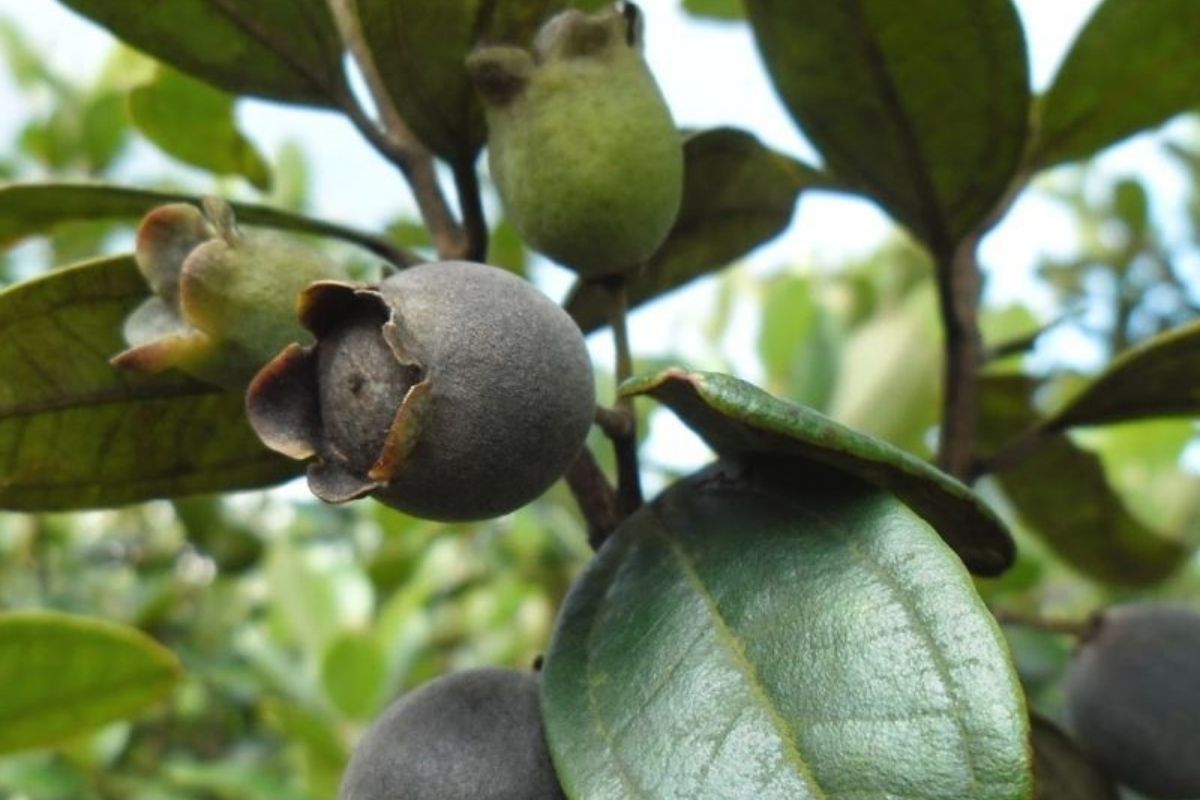
The flowers open pale purple-pink, while the berries that follow ripen to a dark purple. Bite into one and you get a light sweetness, a floral aroma, and a mild astringent finish that dries the tongue the way a young red wine does.
Islanders distinguish two types. Hong sim is larger and sweeter, and it is the one wine makers prefer. Otherwise, tieu sim is smaller and more astringent.
Sim sits alongside pepper and fish sauce as one of the island’s signature products. It is also the most approachable of the three for a first taste.
Our Phu Quoc island guide covers the wider picture.
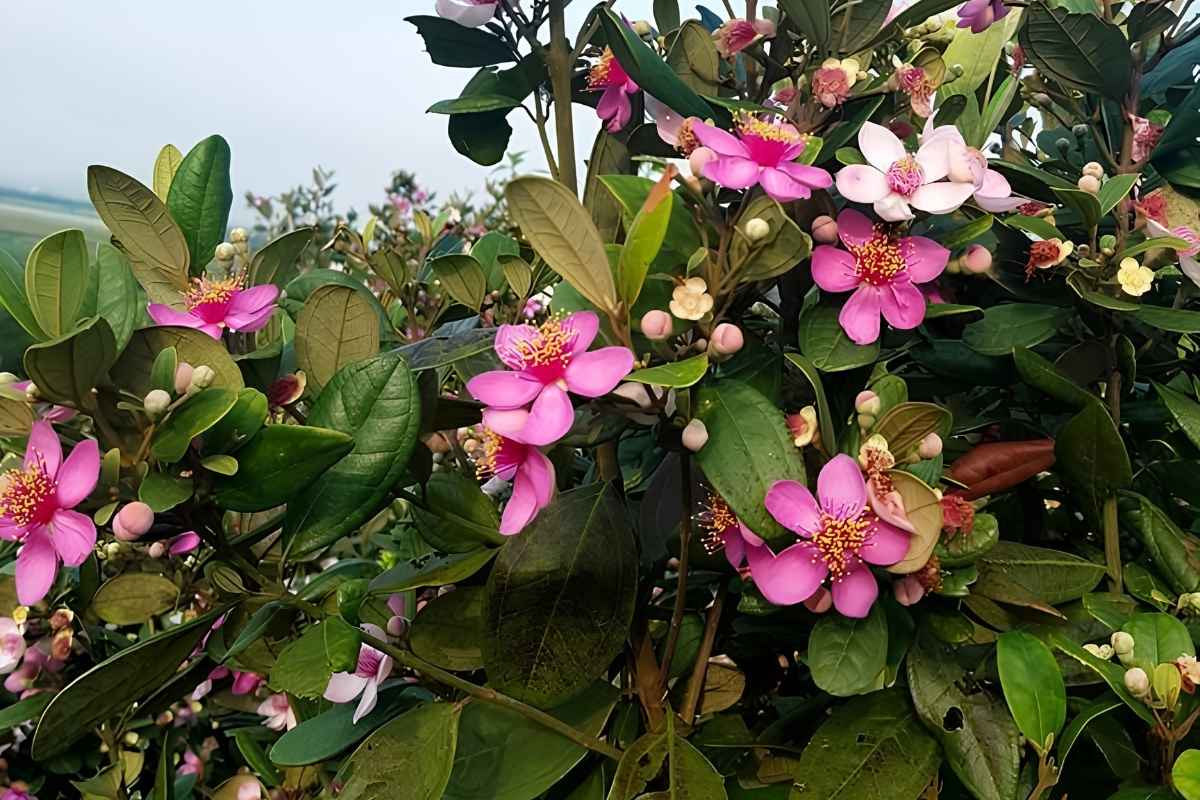
When Does Sim Phu Quoc Bloom and Fruit?
Sim Phu Quoc flowers from roughly January to May. Meanwhile, the fruit season is less settled, generally from June to August.
In fact, you do not need to time a trip around either since the gardens and winery visits run all year. Most of all, the bottled products never go out of season. If the flowers are what you want to photograph, the flowering window overlaps the dry months, which are also the easiest time to get around.
Check Phu Quoc weather by month before you pick dates.
3 Famous Sim Gardens to Visit in Phu Quoc
Three gardens come up whenever islanders talk about sim including Sim Sơn, Bảy Gáo, and Thành Long. All three combine a working sim plot with a shop, and each suits a different kind of stop.
| Garden | Area | Best for | Hours (daily) |
|---|---|---|---|
| Sim Sơn | Cửa Lấp | Garden & winery visit | 7:00 – 18:00 |
| Bảy Gáo | Suối Mây | The pioneering wine maker | 7:00 – 18:00 |
| Thành Long | Suối Mây | Garden & shop in one stop | 08:00 – 18:00 |
Sim Sơn is the fullest visit. Located at Tổ 1, Cửa Lấp, Phú Quốc, An Giang, it pairs a conserved sim garden with the winery where the fruit is fermented. The brand has made sim wine since 2000.
Bảy Gáo is the name behind the island’s first sim wine, developed in the 1990s. The garden is located at Cửa Lấp – Suối Mây, Suối Mây, Phú Quốc, An Giang. If you want to know more about the origin story, this is the top choice.
Thành Long, indeed, works when the visiting time is short. Located at Tổ 3, Suối Mây, Phú Quốc, An Giang, you can walk the garden, taste, and buy in a single stop.
Entry is generally free at gardens attached to producers. From Pullman Phu Quoc Beach Resort, each garden is only a 15 to 30 minutes drive. The best advice here is to naturally pair a visit with one of the Phu Quoc pepper farms for a half-day of island produce.
Sim Phu Quoc Products: What to Buy?
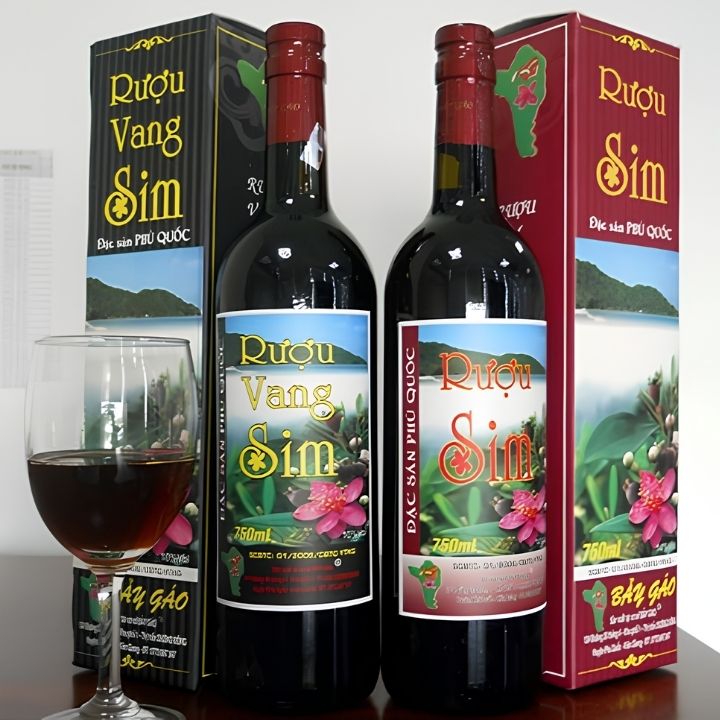
Sim Phu Quoc becomes six main products with most labels in Vietnamese, so here is what each one means.
- Rượu sim (sim spirit): The island’s signature. Ripe berries are crushed lightly, mixed with sugar, and left to ferment in ceramic jars or wooden barrels for three to six months. The result is purple-pink and closes with a light tannic grip.
- Vang sim (sim wine): A drier, wine-style version with less sweetness and more of the fruit’s astringency.
- Mật sim (sim honey): Berries steeped in sugar for four to six months until they give up a thick, red-purple syrup. It contains no bee honey and is mixed with water, hot or cold.
- Siro sim (sim syrup): Concentrated juice for soda, iced drinks, and cocktails.
- Mứt sim (sim jam): Spread it on bread or stir it into tea.
- Kẹo sim (sim candy): The easiest gift for children.
Strength varies by product and producer – generally from 10% for wine-style bottles to over 30% for wine spirit, so read the label before buying sim wine.
What Are the Health Benefits of Sim Wine?
Sim wine is traditionally credited with aiding digestion, supporting blood circulation, and easing tiredness, according to Phu Quoc producers and Vietnamese folk practice. Sim Son describes the fruit as something folk tradition has long treated as a valued remedy.
The benefits most often named by local producers and guides are:
- Stimulating appetite and digestion
- Supporting circulation
- Helping the body relax in the evening
- Supplying antioxidants, since the dark berries contain anthocyanins and flavonoids
Treat these as tradition instead of medicine. They are claims made by producers and passed down locally, not medical advice, and we do not present them as proven. Sim wine is still alcohol; therefore, you should enjoy it in moderation, and skip it if you are pregnant, driving, or on medication.
For the fruit without the alcohol, choose the syrup or the jam.
How to Taste and Buy Sim Products
The best way to choose sim products is to taste them at a garden first, then buy sealed, labelled bottles from the producer.
- Taste before you buy. The gardens pour samples, and sweetness differs widely between makers.
- Serve it cold. Chill sim wine or pour it over ice. It suits seafood and grilled dishes.
- Buy from the source. Producers and established specialty shops are the safest choice. Phu Quoc Night Market stocks the main brands too.
- Pick what travels. Syrup, jam, and candy are the simplest to carry. Fresh berries bruise easily and spoil in transit.
Typical prices, in Vietnamese dong:
| Product | Price (VND) |
|---|---|
| Sim wine, 500-600 ml | 200,000 – 297,000 |
| Sim syrup, 250 ml | 115,000 – 130,000 |
| Sim syrup, 600 ml | 230,000 – 318,000 |
| Sim honey, 3-litre box | 880,000 |
A chilled glass at sunset is a good way to open the bottle once you are back in one of our rooms and suites on Long Beach.
Conclusion
Sim is a small, distinctly local way into Phu Quoc’s food culture. One shrub gives the island a purple season, a craft that took shape in the 1990s, and a gift that fits in a suitcase. A garden visit is a short outing from Long Beach, and it shows you a side of the island the shoreline does not.
Build it into a longer stay. Start the morning among the sim bushes, return for the pool and the Gulf of Thailand in the afternoon, and plan the next outing over dinner. Browse our current offers at Pullman Phu Quoc and book direct for the best rate.
Frequently Asked Questions
Where can I buy sim wine in Phu Quoc?
Buy sim wine directly from the three main producers including Sim Sơn in Cửa Lấp, and Bảy Gáo and Thành Long in the Suối Mây area. Each has a shop beside its garden where you can taste before choosing. Specialty shops across the island and stalls at Phu Quoc Night Market carry the same brands. Choose sealed bottles with a producer label.
What does Phu Quoc sim wine taste like, and how strong is it?
Phu Quoc sim wine tastes sweet and fruity, with a light sourness and a dry, tannic finish from the berry skins. It is closer to a fruit liqueur than a grape wine. Strength depends on the bottle, which generally ranges from 10% to over 30%.
How long does sim honey (mật sim) keep after opening?
Sim honey is a sugar-preserved fruit syrup, so an unopened bottle keeps well at room temperature away from sunlight. Once opened, close it tightly and store it in the refrigerator. Check the expiry date printed on the bottle, since it differs between producers.
Can I take sim wine on a flight home?
Sealed bottles of sim wine normally travel in checked baggage, wrapped well against breakage. Limits depend on the alcohol content, the airline, and the customs rules of your destination. Check with your airline before packing, and keep the bottles in their original sealed packaging.
Access
Pullman Phu Quoc Beach Resort ☆☆☆☆☆
Group 6, Ban Quy Hamlet, Duong Bao Area, Phu Quoc Special Zone , An Giang Province
Vietnam
Tel: +84 297 267 9999 or +84 91 665 0248
Email:
ha248@accor.com

